Home Interior
Living Room Design – Stylish and comfortable living spaces designed with thoughtful furniture placement, lighting, colors, and décor.
Bedroom Interiors – Calm, cozy, and personalized bedrooms that combine comfort, storage, and modern aesthetics.
Modular Kitchen Design – Functional and contemporary kitchens with smart storage solutions, premium finishes, and efficient layouts.
Dining & Lounge Spaces – Elegant dining and relaxation areas designed for comfortable family gatherings and entertaining guests.
Bathroom Interiors – Modern and practical bathroom designs featuring refined materials, smart layouts, lighting, and storage.
Custom Furniture & Décor – Bespoke furniture, wardrobes, wall treatments, lighting, and decorative elements tailored to the homeowner’s style.

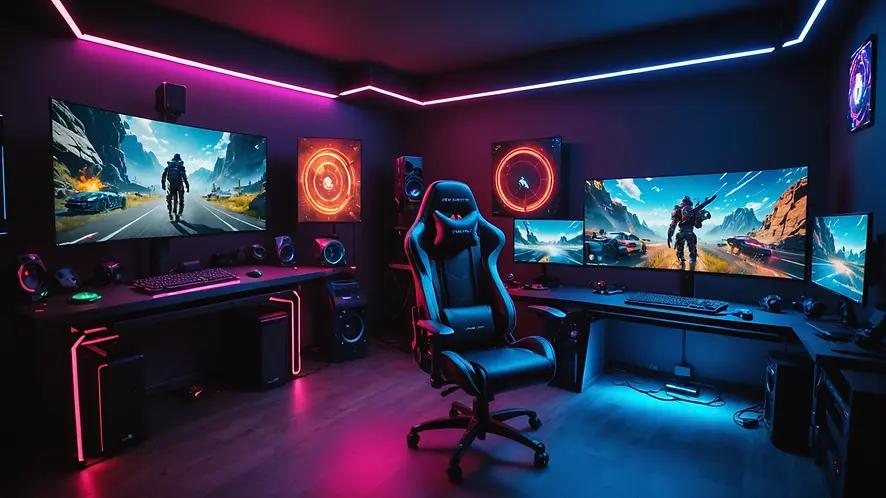
Gaming Room Interior
A bold and immersive gaming room designed for modern entertainment. Featuring custom ambient LED lighting, a multi-screen gaming setup, acoustic wall panels, smart storage, and comfortable gaming furniture, this space combines functionality with a stylish, high-tech aesthetic. The dark interiors with dramatic red lighting create an energetic atmosphere while keeping the room organized and comfortable.
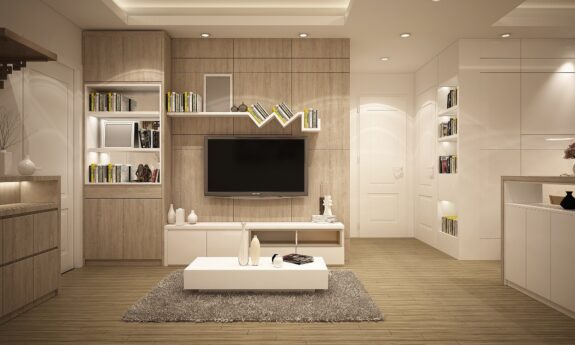
Modern Living Room Interior
A sophisticated living room designed with a clean, contemporary aesthetic that blends warmth with functionality. Natural wood finishes, soft neutral tones, built-in storage, and elegant display shelving create a spacious and inviting atmosphere. The integrated TV unit and thoughtfully designed cabinetry keep the space organized while maintaining a sleek, seamless look.
A gaming room is more than just a place to play video games. It is a personal space where technology, creativity, comfort, and entertainment come together to create an immersive gaming experience. Whether you enjoy PC gaming, console gaming, streaming, or competitive esports, a well-designed gaming room can make your gaming sessions more enjoyable while reflecting your personality and style.
Modern gaming room interior design focuses on combining functionality with aesthetics. From RGB lighting and ergonomic furniture to acoustic panels, smart storage, and customized gaming desks, every element contributes to the overall atmosphere. A carefully planned gaming room can also serve multiple purposes, such as studying, working, streaming, or watching movies.
With the growing popularity of gaming culture, homeowners are increasingly looking for creative ways to transform spare bedrooms, compact corners, and dedicated entertainment spaces into stylish gaming zones. The right interior design can make even a small room feel organized, spacious, and visually impressive.
The key to designing a perfect gaming room is understanding your needs, available space, equipment, and budget. By selecting the right colours, furniture, lighting, and decorative elements, you can create a gaming environment that balances comfort, performance, and modern style.
Planning the Perfect Gaming Room Layout
A successful gaming room starts with a practical layout. Before purchasing furniture or decorative items, measure the room and identify the available space for your desk, chair, monitor, computer, console, and storage.
The layout should provide enough room to move comfortably while keeping essential equipment within easy reach. Avoid placing large furniture pieces where they obstruct doors, windows, or walking paths.
For a single-player gaming setup, a desk against a wall can help create a dedicated gaming zone. If you use multiple monitors or stream your gameplay, consider a wider desk that accommodates your equipment without feeling crowded.
For console gaming, a television mounted at a comfortable viewing height can be paired with a sofa, recliner, or supportive gaming chair. Keep controllers, headsets, charging cables, and other accessories in nearby storage.
In a shared gaming room, separate zones can be created for PC gaming, console gaming, and relaxation. For example, one side of the room can accommodate a computer desk, while the opposite side contains a television and seating area.
Lighting, ventilation, electrical outlets, and internet connectivity should also be considered during the planning stage. A well-organized layout improves usability and helps the room maintain a clean, professional appearance.
Planning the Perfect Gaming Room Layout
A successful gaming room starts with a practical layout. Before purchasing furniture or decorative items, measure the room and identify the available space for your desk, chair, monitor, computer, console, and storage.
The layout should provide enough room to move comfortably while keeping essential equipment within easy reach. Avoid placing large furniture pieces where they obstruct doors, windows, or walking paths.
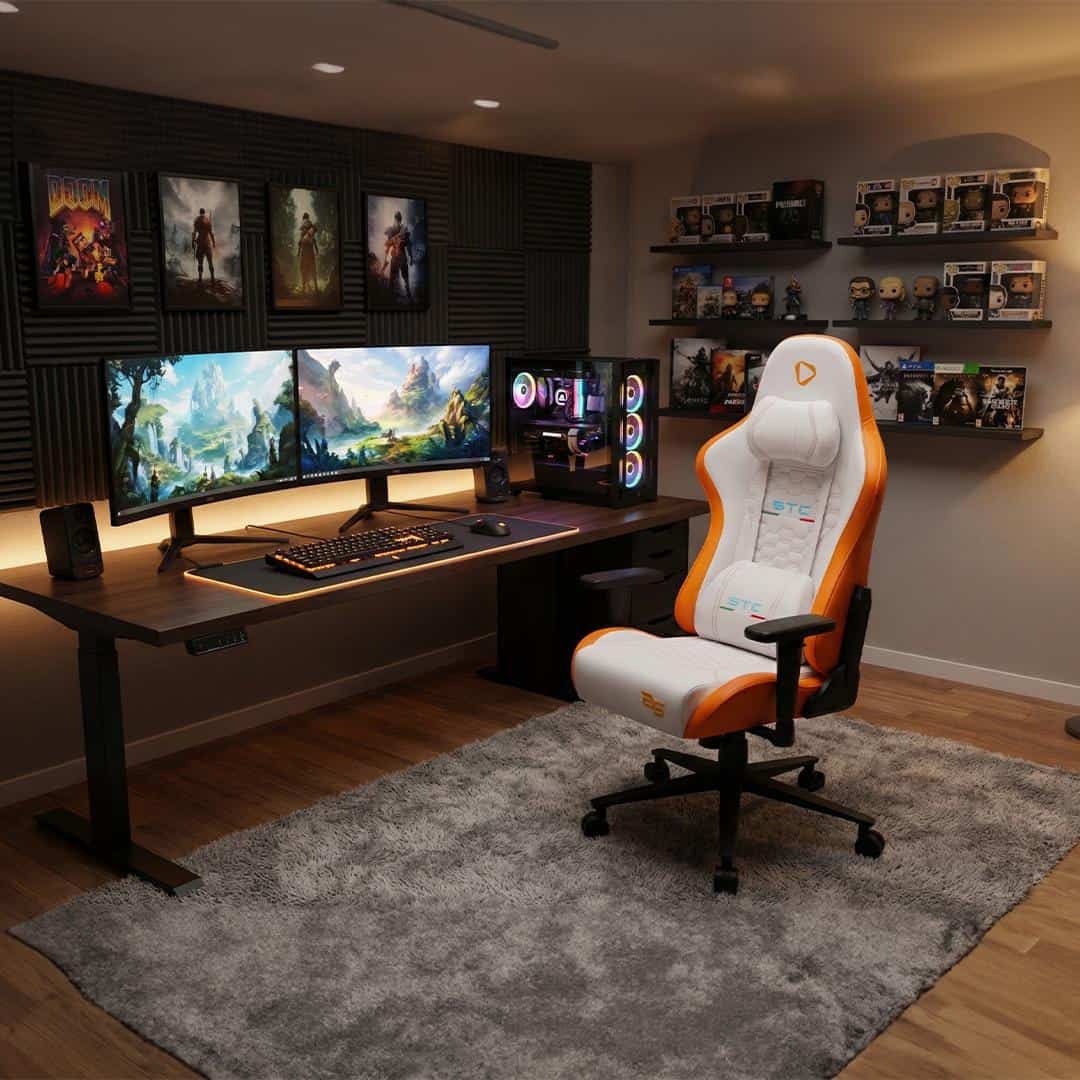
For a single-player gaming setup, a desk against a wall can help create a dedicated gaming zone. If you use multiple monitors or stream your gameplay, consider a wider desk that accommodates your equipment without feeling crowded.
For console gaming, a television mounted at a comfortable viewing height can be paired with a sofa, recliner, or supportive gaming chair. Keep controllers, headsets, charging cables, and other accessories in nearby storage.
In a shared gaming room, separate zones can be created for PC gaming, console gaming, and relaxation. For example, one side of the room can accommodate a computer desk, while the opposite side contains a television and seating area.
Lighting, ventilation, electrical outlets, and internet connectivity should also be considered during the planning stage. A well-organized layout improves usability and helps the room maintain a clean, professional appearance.
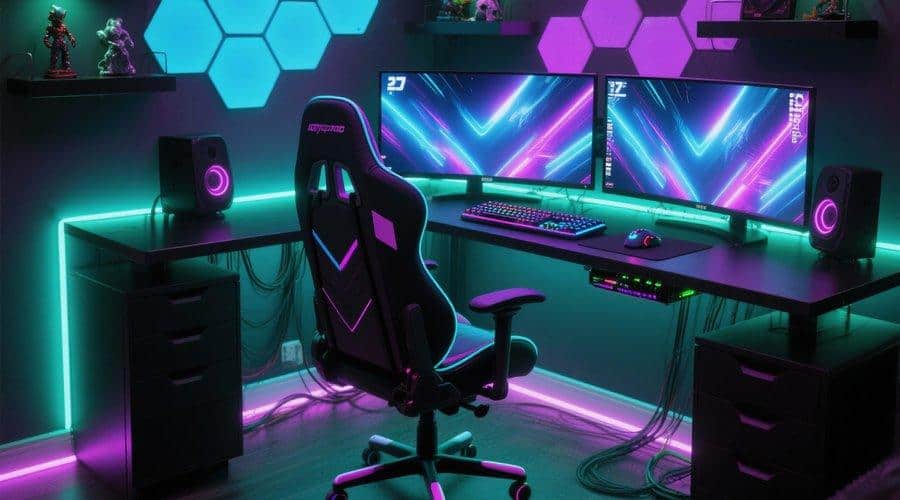
Gaming Desk
A gaming desk should provide enough surface area for your monitor, keyboard, mouse, speakers, and other accessories. If you use a dual-monitor setup, choose a desk with sufficient width and depth to accommodate both screens comfortably.
Popular desk options include:
- Straight gaming desks: Suitable for simple and compact setups.
- L-shaped desks: Ideal for corner spaces and multiple devices.
- Height-adjustable desks: Allow you to alternate between sitting and standing.
- Custom-built desks: Offer flexibility in dimensions, materials, and storage.
Cable-management trays, built-in power outlets, monitor arms, and drawers can improve both functionality and appearance.
Gaming Chair
A good gaming chair should support a comfortable sitting posture. Look for adjustable seat height, suitable lumbar support, armrests, and a backrest that fits your needs.
An ergonomic office chair can also be an excellent option. The most important factors are adjustability, support, and comfort rather than appearance alone.
Choose upholstery and colours that complement the overall interior. Black, grey, and neutral shades work well with modern themes, while coloured accents can add personality to a gaming setup.

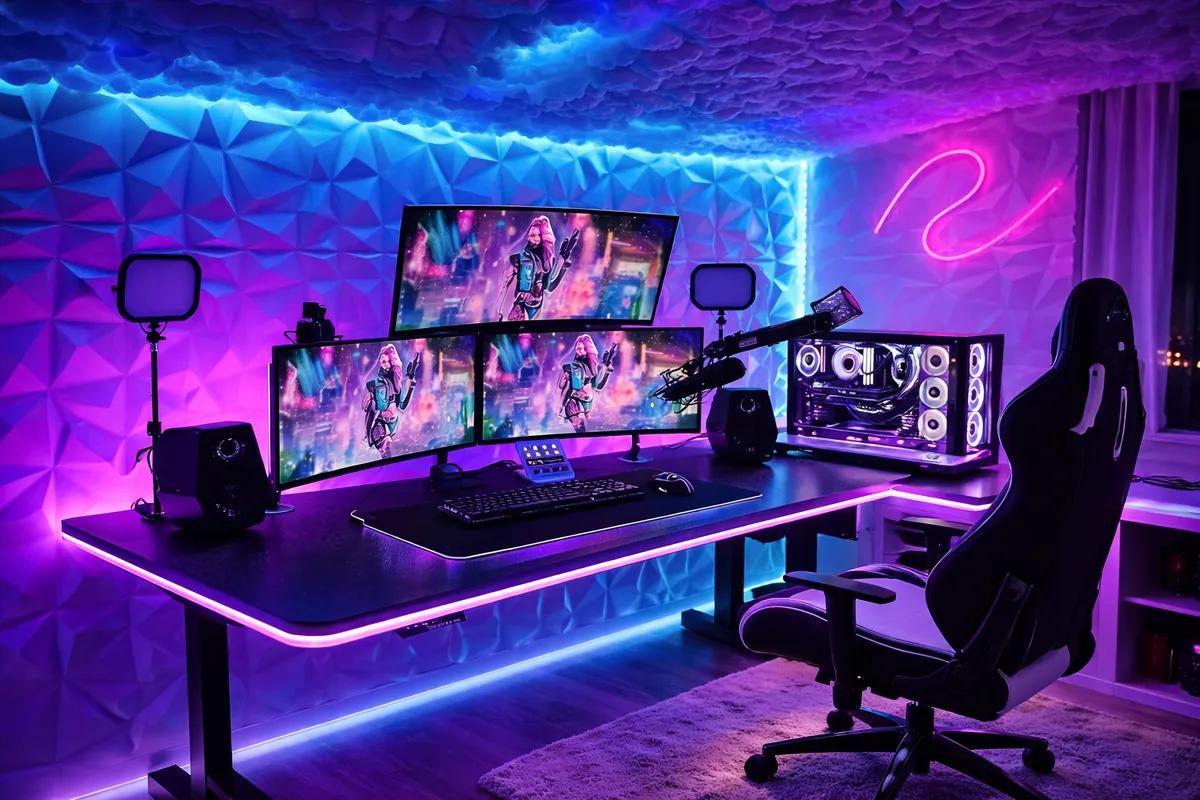
RGB LED Strip Lighting
LED strips can be installed behind desks, monitors, shelves, and wall panels to create a soft glow. Indirect lighting helps highlight the gaming setup without making the room look cluttered.
Choose adjustable brightness and colour settings so the lighting can change according to the activity.
Ambient Lighting
Ambient lighting provides general illumination throughout the room. Ceiling lights, recessed lighting, and indirect wall lighting can create a balanced environment.
Avoid relying entirely on bright RGB lights in a dark room. Combining ambient lighting with monitor backlighting can make the space more comfortable for extended use.
Smart Lighting
Smart bulbs and compatible LED systems allow users to control brightness, colour, and lighting schedules through an app or voice assistant.
Some systems can synchronize lighting effects with games, music, or movies, adding another layer of customization.
Decorative Wall Lighting
Geometric LED panels, illuminated signs, and subtle neon-style decorations can become attractive focal points. Position decorative lighting carefully so that it does not distract you from the screen.
A well-designed lighting scheme should combine visual appeal with practical illumination, making the room suitable for gaming, studying, and everyday activities.
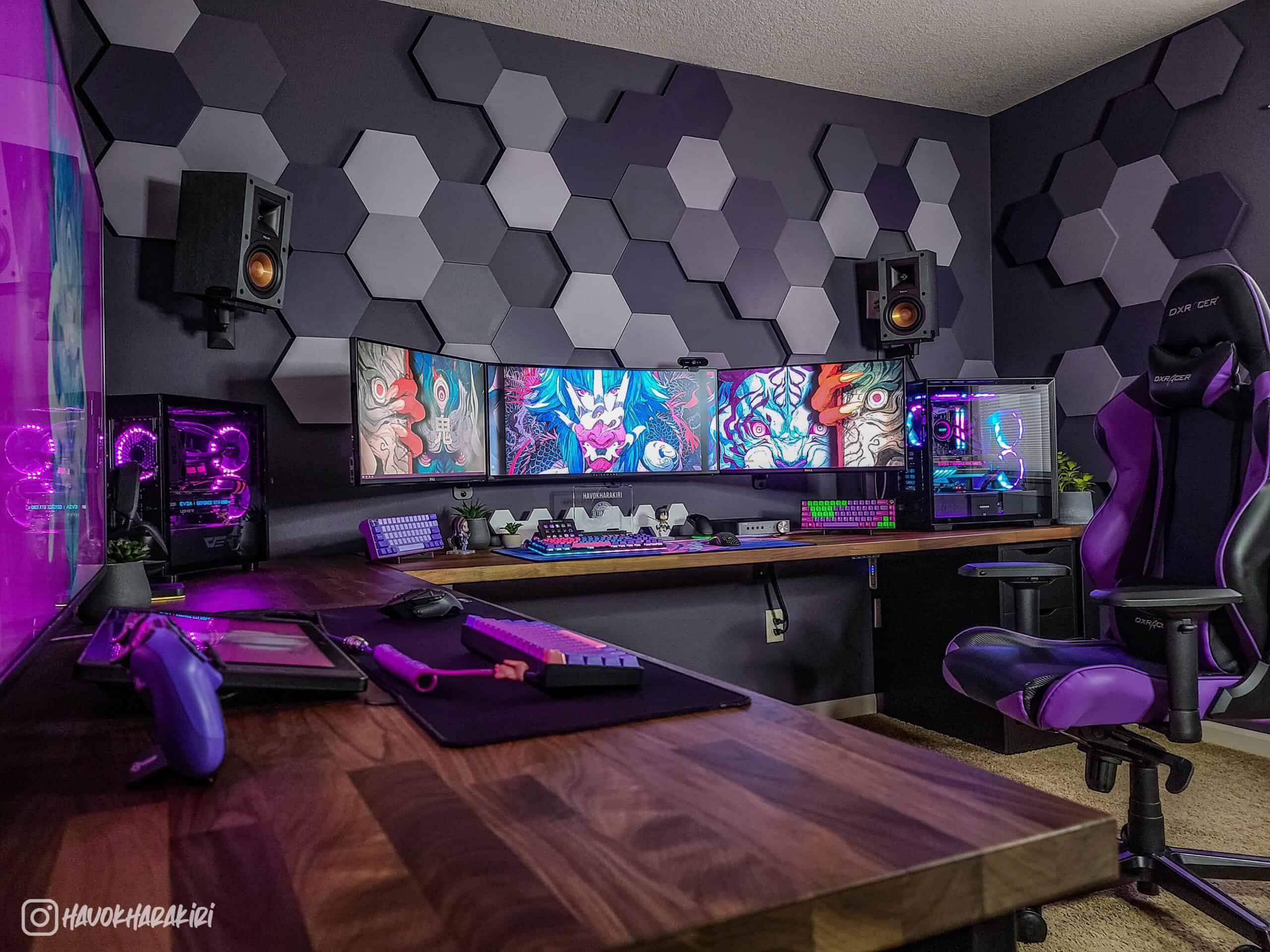
Wall Decor and Gaming Room Accessories
Walls offer an excellent opportunity to express your gaming personality. The right decorative elements can transform a plain room into a distinctive entertainment space. Framed posters featuring favourite games, original artwork, and gaming-inspired illustrations can establish a theme. Arrange them in a balanced gallery wall rather than placing too many unrelated decorations in one area.
Floating shelves are useful for displaying collectibles, action figures, controllers, headphones, and decorative objects. They keep items organized while adding visual interest.
Acoustic wall panels can improve the room's sound characteristics while contributing to the interior design. Geometric panels in neutral colours or coordinated accent shades can create an attractive feature wall.
Other useful accessories include:
- Custom gaming signs and illuminated logos.
- Headphone stands and controller holders.
- Desk mats that complement the colour scheme.
- Wall-mounted shelves for games and accessories.
- Decorative plants for a touch of natural colour.
- Display cabinets for collectibles and memorabilia.
Choose accessories according to the available space. A few carefully selected pieces often create a stronger design statement than filling every shelf and wall.
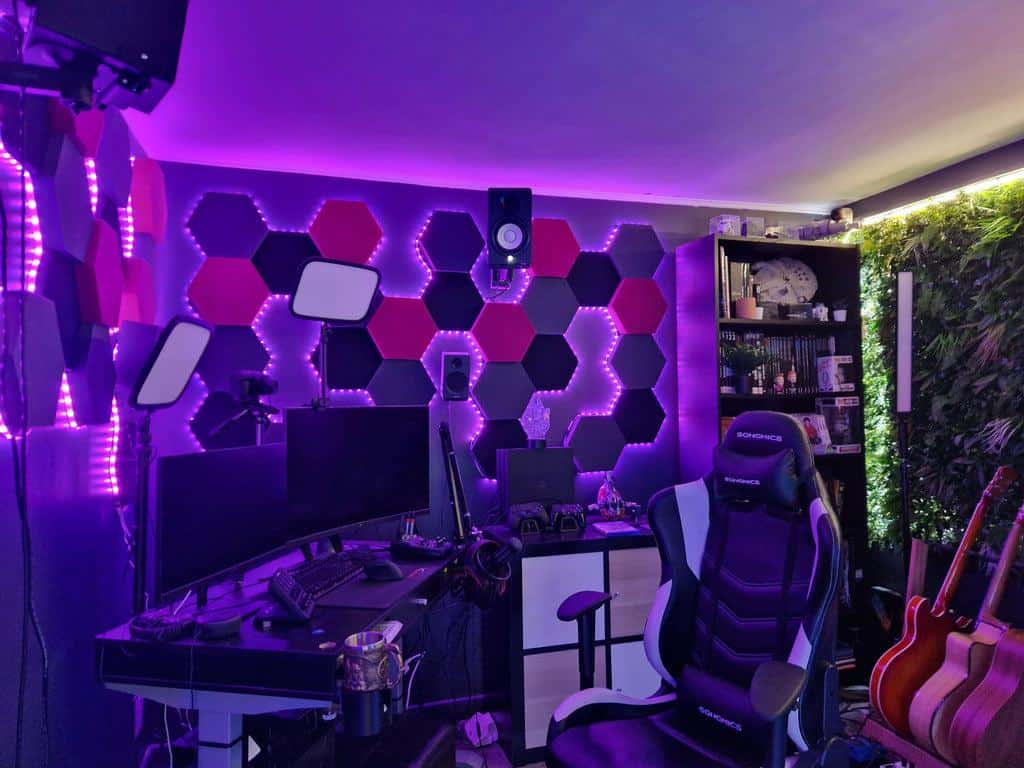
esigning a Small Gaming Room
A small room can still accommodate an impressive gaming setup. The secret is to use vertical space, select appropriately sized furniture, and avoid unnecessary decoration.
Begin with a compact desk that fits the available wall or corner. A wall-mounted monitor or monitor arm can free up desk space, while floating shelves provide storage without occupying the floor.
Choose furniture with multiple functions wherever possible. A desk with drawers, a storage ottoman, or a cabinet that holds gaming accessories can help maintain an organized environment.
Light-coloured walls, mirrors, and carefully positioned lighting can make a compact room feel more open. If you prefer a dark gaming theme, combine dark furniture with lighter walls or subtle indirect lighting.
Cable management is particularly important in small spaces. Use cable trays, clips, and organizers to keep wires away from walking areas and prevent visual clutter.
Modern Living Room Interior Design: A Complete Guide to Stylish and Comfortable Homes
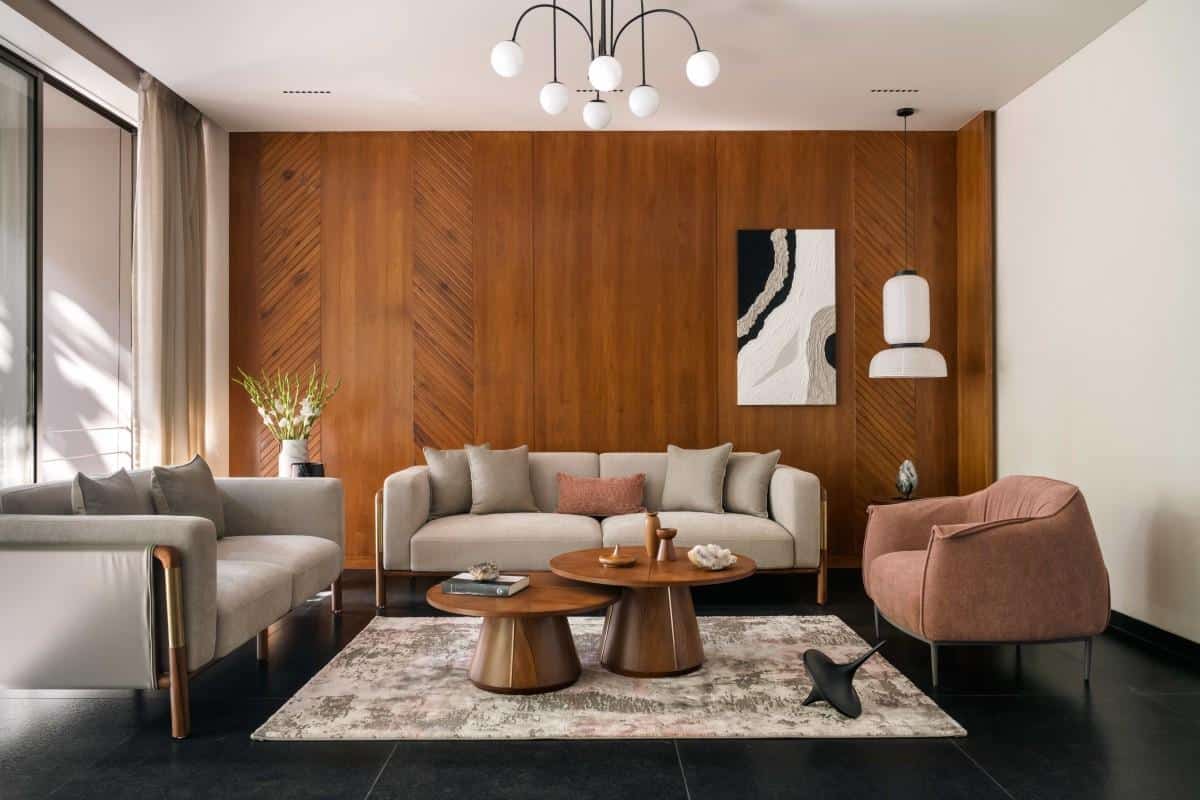
Minimalist Living Room
Minimalist interior design focuses on simplicity, functionality, and uncluttered spaces. Neutral colours, sleek furniture, simple decorations, and open layouts are the main characteristics of this style.
Choose a comfortable sofa, a functional coffee table, and a few carefully selected accessories. Concealed storage can help maintain a clean appearance while keeping everyday items organized.
This style works particularly well in small apartments because it avoids unnecessary furniture and visual distractions.
Contemporary Living Room
Contemporary living rooms combine current design trends with practical features. They often include modern sofas, geometric lighting, textured walls, glass surfaces, and a mixture of natural and manufactured materials.
A combination of warm wood, soft upholstery, and metallic accents can create an elegant and welcoming atmosphere.
Luxury Modern Living Room
A luxury living room emphasizes refined materials, statement furniture, sophisticated lighting, and attention to detail. Marble finishes, premium upholstery, decorative wall panels, and custom-designed furniture can contribute to an upscale appearance.
However, luxury does not necessarily mean adding expensive materials everywhere. A carefully selected sofa, coordinated colours, attractive lighting, and quality finishing can create an equally polished impression.
Modern Indian Living Room
Modern Indian living rooms combine contemporary design with elements inspired by Indian craftsmanship and culture. Wooden furniture, handcrafted decorations, traditional artwork, patterned cushions, and warm lighting can add character to a modern interior.
The goal is to balance cultural details with contemporary furniture and practical layouts, creating a living room that feels both modern and personal.
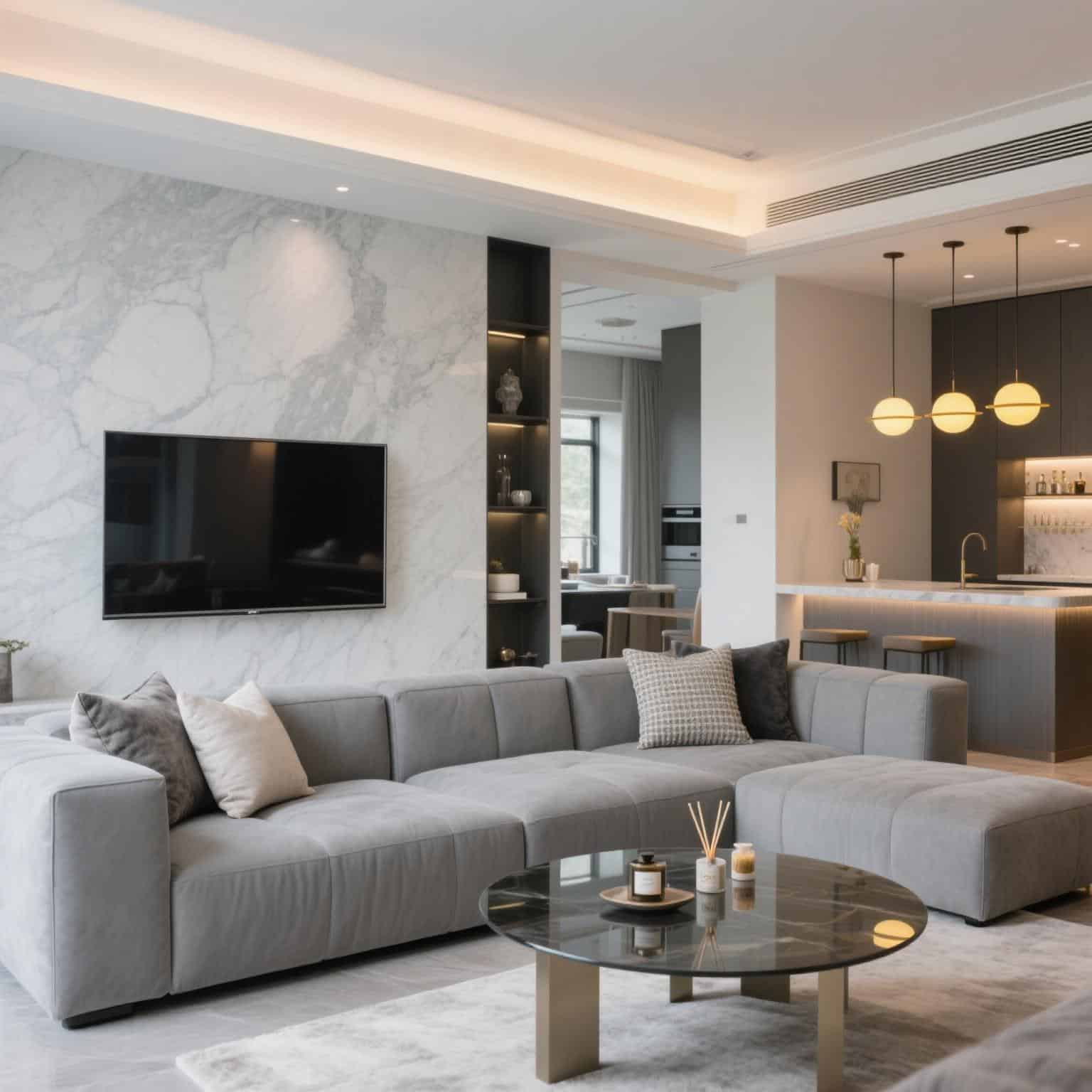
Colours play an important role in shaping the mood and appearance of a modern living room. The right combination can make the space feel brighter, more spacious, warmer, and more sophisticated.
- Neutral colours: White, cream, beige, and grey create a timeless foundation that works with different furniture styles.
- Earthy tones: Terracotta, olive green, sand, and warm brown introduce a natural, relaxing atmosphere.
- Bold accent colours: Navy blue, emerald green, and burgundy add depth and character when used thoughtfully.
- Monochromatic palettes: Different shades of one colour create a coordinated, sophisticated appearance.
For a balanced result, use a dominant colour for walls and larger surfaces, a complementary shade for furniture, and an accent colour for cushions, artwork, or decorative accessories.
In smaller living rooms, lighter shades can help reflect natural light and create a more open feeling. Darker colours can work beautifully in larger rooms or as feature-wall accents.
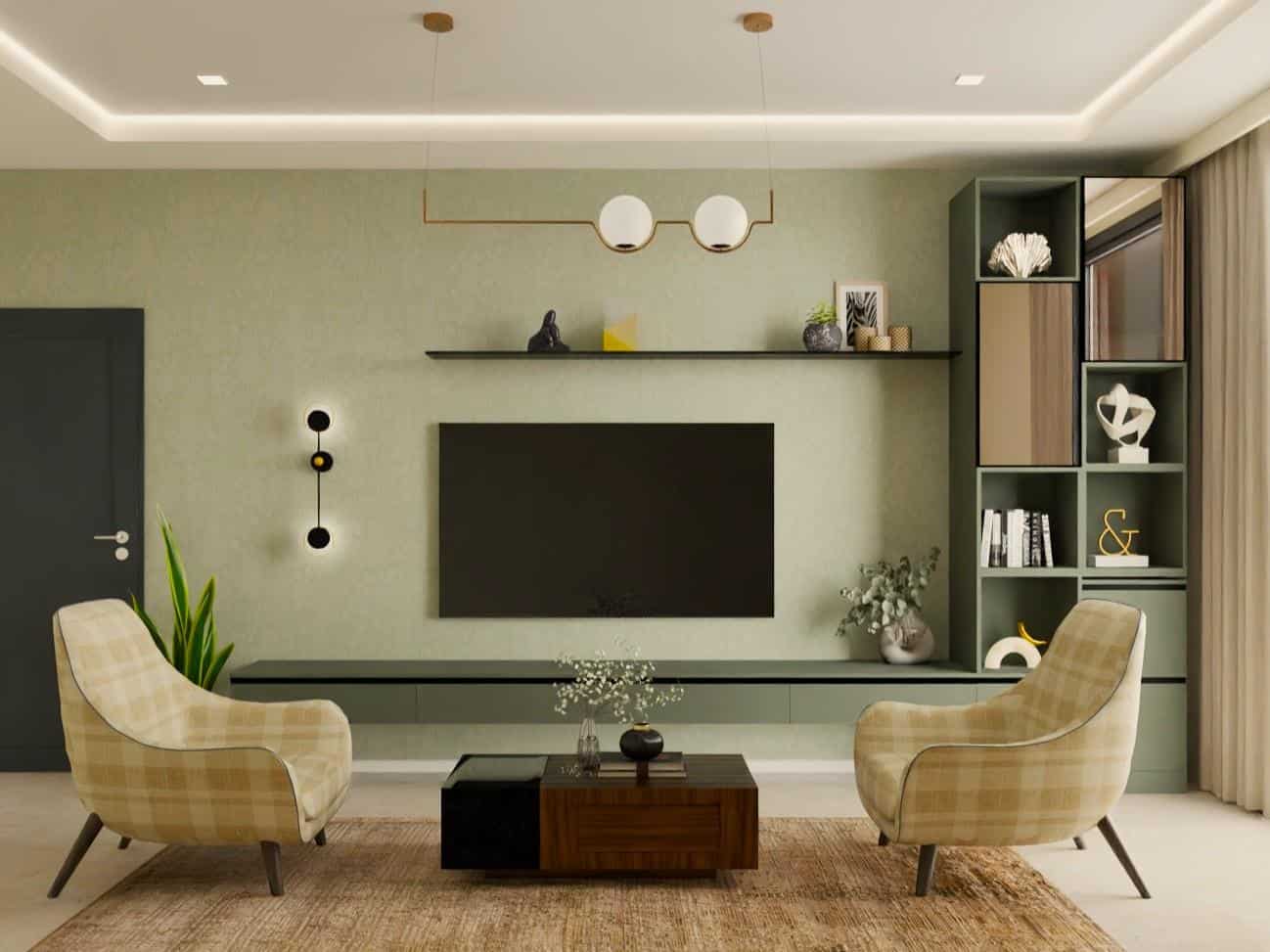
Furniture is the foundation of a comfortable and functional living room. Every piece should complement the interior design while meeting the household's everyday needs.
Sofas and Seating
A sofa is often the main focal point of a living room. Choose a size and shape that suits the room's dimensions and provides enough seating for your household.
Sectional sofas work well in larger living rooms, while compact two-seater sofas are suitable for smaller apartments. Curved sofas can introduce softness and visual interest into contemporary interiors.
Choose upholstery based on durability, maintenance requirements, and comfort. Neutral upholstery provides flexibility, while colourful cushions can introduce contrast.
Coffee Tables
A coffee table adds convenience and helps connect the seating arrangement. Modern options include round tables, nesting tables, glass designs, and combinations of wood and stone.
Round tables can soften a room dominated by straight lines. Nesting tables offer flexibility when extra surface space is needed.
TV Units and Media Consoles
A modern TV unit should combine attractive design with practical storage. Floating consoles, wooden slat panels, stone-effect finishes, and concealed cabinets can create a sophisticated entertainment wall.
Keep electronic devices properly ventilated and ensure cables are neatly organized.
Accent Furniture
Side tables, ottomans, and occasional chairs can complete the layout. Avoid overcrowding the room with unnecessary pieces. Leave sufficient space between furniture for comfortable movement.
The point of using dummy text for your paragraph is that it has a more-or-less normal distribution of letters. making it look like readable English.
